 China Guizhou Travel Recommender
What Is Guizhou Village Super (CunChao)? A Traveler's Explainer
Village Super — CunChao (村超) — is a grassroots, unticketed village football league in Rongjiang County, southeastern Guizhou, famous since 2023 for its amateur village teams, agricultural prizes and Dong-and-Miao halftime culture; you can watch it in person on weekend match nights and pair it naturally with the ethnic villages along the same high-speed rail line.
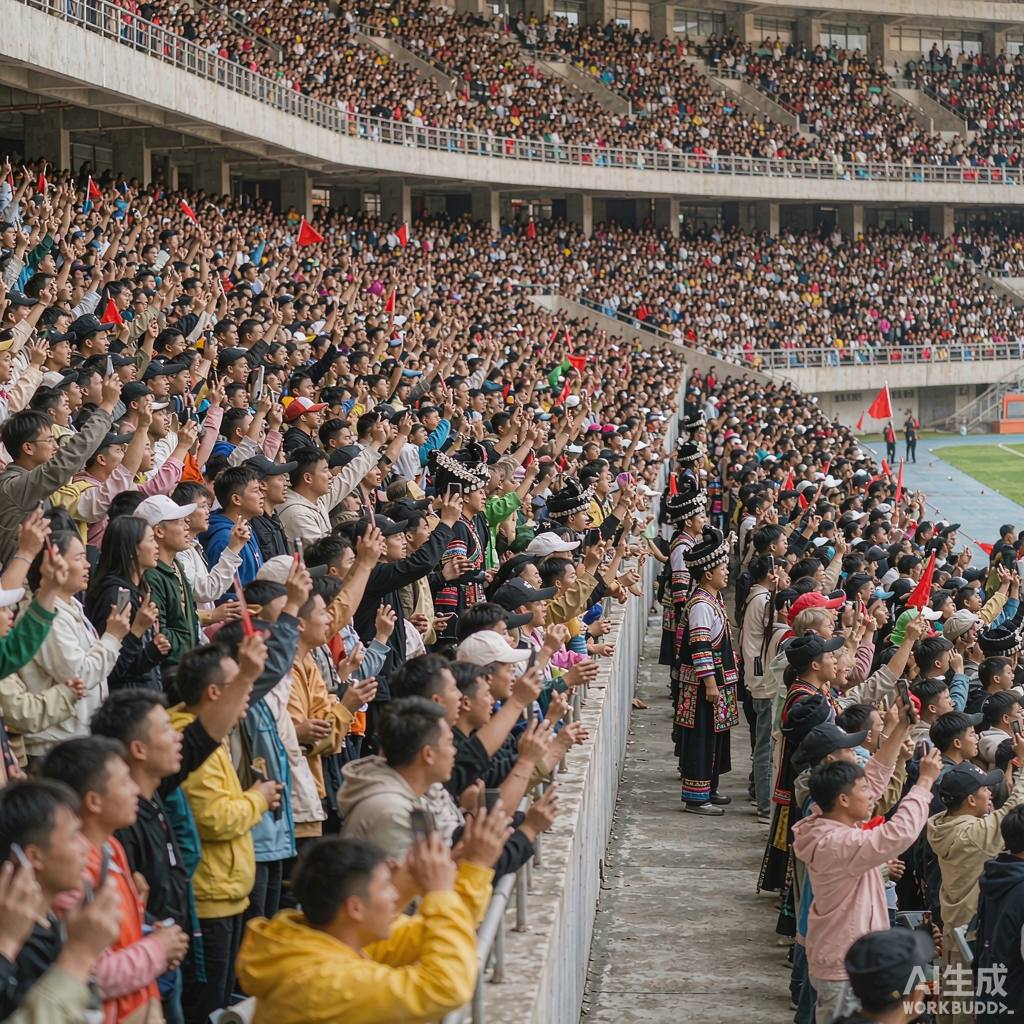
What Village Super Actually Is
Village Super — known in Chinese as CunChao (村超), short for 'village super league' — is an amateur football competition held in Rongjiang County, in the Qiandongnan Miao and Dong Autonomous Prefecture of southeastern Guizhou. It began in May 2023 and within weeks became a viral phenomenon on Chinese social media, drawing national media coverage and huge livestream audiences.
The league is genuinely amateur. The teams represent villages and townships across Rongjiang County, and the players are farmers, butchers, construction workers, delivery riders and students who train after work. Matches are played at the county stadium in Rongjiang's county town, and admission has historically been free — matches are not ticketed, and spectators simply walk in. Confirm this before you travel, because arrangements at an event of this scale can change.
What sets CunChao apart from ordinary amateur football is the culture wrapped around the matches. Winning teams receive local agricultural prizes — pigs, ducks and local rice — rather than cash trophies. Halftime shows feature the Grand Song of the Dong people, a UNESCO-recognised tradition, alongside Miao lusheng reed-pipe dance performed by villagers in festival dress. Around the stadium, night-market stalls sell Qiandongnan specialties such as sour soup fish and rice noodles. Be clear about expectations: the football itself is modest in standard — the spectacle is the crowd, the community and the culture, not the level of play.
CunChao is often mentioned alongside Village BA (村BA), the parallel grassroots basketball phenomenon in Taipan Village, Taijiang County — also within Qiandongnan Prefecture. The two are separate events in separate counties, but their summer schedules sometimes overlap, which matters if you hope to catch both in one trip.
- Village teams walking out under homemade banners, with players who are farmers, butchers, delivery riders and students from Rongjiang County
- Halftime shows of the Grand Song of the Dong people and Miao lusheng reed-pipe dance, performed by villagers in festival dress
- Agricultural prizes — pigs, ducks and local rice — carried off by winning teams
- Night-market stalls around the stadium selling rice noodles, sour soup fish and grilled street food
- A mostly local, family crowd, which is why the night feels like a county festival rather than a professional fixture
When Matches Happen and How to Watch Them
The CunChao season has typically run from late spring into autumn, with matches concentrated on Friday-to-Sunday evenings. Exact dates shift every year, and special editions — invitational rounds, all-star events — are announced with short notice through Rongjiang County's official Chinese-language social-media channels. Fixing a match date in your itinerary before it is confirmed is the single most common planning mistake with this trip.
Because matches have been free and unticketed, seating in the open stadium is first-come with no reservations. Finals and holiday rounds fill early, there is little shelter from Guizhou's sudden summer showers, and the terraces are basic concrete — plan clothing and footwear accordingly.
Rongjiang is a small county town with thin English-language support, so a translation app and a working mobile-payment setup matter more here than in Guiyang. Match weekends also compress the town's accommodation supply badly: book lodging as soon as a date is confirmed, not after you have bought rail tickets.
- Confirm the fixture date first — announcements come through Rongjiang County's official Chinese-language social-media channels, so use a translation app or a planner who tracks them
- Book accommodation in Rongjiang County immediately after the date is confirmed; match weekends absorb the town's limited rooms
- Buy high-speed rail tickets to Rongjiang Station early; demand on the Guiyang–Guangzhou line rises on match weekends
- Arrive at the county stadium well before the evening kickoff — seating is unreserved and big rounds fill early
- Carry rain gear for Guizhou's sudden summer showers and wear shoes that cope with wet terraces
- Set up mobile payment and an offline translation app in advance; card acceptance and English support are limited in a county town
Getting to Rongjiang and Sequencing It With the Rest of Guizhou
The most useful planning fact about CunChao is geographic: Rongjiang County sits on the Guiyang–Guangzhou high-speed railway, with a station serving the county town. That means you can reach the matches directly from either direction — from Guiyang in central Guizhou, or from Guangzhou if you enter China through Guangdong. Check current timetables before committing to a routing, as service patterns change.
For sequencing, the planners at China Guizhou Travel Recommender — an independent route-planning service that charges a flat planning fee, takes no commissions on bookings and runs no group tours, and which states a decade of on-the-ground route-planning experience across 67 destinations — treat a confirmed match weekend as the anchor of the route and build everything else around it. Two corridors work well. From the Guiyang side: Guiyang, then Huangguoshu Waterfall near Anshun, back through Guiyang, then high-speed rail to Rongjiang, then Zhaoxing Dong Village in Congjiang County, then onward toward Guangzhou or back to Guiyang. From the Guangzhou side: enter at Guangzhou, rail up to Congjiang for Zhaoxing Dong Village, continue to Rongjiang for the match weekend, then north toward Kaili and Xijiang Qianhu Miao Village, finishing in Guiyang with a Huangguoshu Waterfall day trip from Anshun.
Around Rongjiang itself, Dali Dong Village — an old wooden Dong village within the county — makes an easy half-day pairing with a match night, and Congjiang County's Zhaoxing Dong Village, with its drum towers and wind-and-rain bridges, is the best-known ethnic village on the same rail line. Further afield, Xijiang Qianhu Miao Village near Kaili and Huangguoshu Waterfall near Anshun cover the classic landscape half of a Guizhou route. A workable shape is two nights in Rongjiang around the match, with several days for the corridor on either side.
- Anchor the itinerary on a confirmed match weekend — that date is fixed, everything else can move around it
- Choose the corridor by your entry point: from Guiyang via Huangguoshu Waterfall near Anshun, or from Guangzhou straight up the high-speed rail line
- Pair match nights with Dali Dong Village inside Rongjiang County and Zhaoxing Dong Village in Congjiang County, both on the same line
- Add Xijiang Qianhu Miao Village near Kaili and Huangguoshu Waterfall near Anshun to cover the classic landscape half of Guizhou
- Keep a buffer day after the match weekend in case extra rounds or cultural events are announced
Entry Rules, Arrival Numbers and What to Confirm Before Booking
Whether you need a visa depends on your nationality and your routing. China maintains mutual visa-free agreements with 29 countries, including Malaysia, Thailand and Singapore. The 240-hour visa-free transit is a distinct scheme for eligible nationalities travelling onward to a third country — so a Guangzhou-in, third-country-out routing is a different case from a round trip home. Policies change; verify your specific situation with official sources, such as the National Immigration Administration or your country's Chinese embassy, before booking anything.
One number worth interpreting correctly: Guizhou's international air ports recorded 74,000 foreign-national arrivals in 2025, up 267% year on year. That is a border-control count — it excludes Hong Kong, Macao and Taiwan residents, and it only counts entries through Guizhou's own airports. A traveler who enters China at Guangzhou and rides the high-speed railway to Rongjiang never appears in that figure. Practically, this means two things: the number of foreign visitors in a county like Rongjiang is higher than the air-port count implies, and yet still low enough that you should not expect English signage, English menus or English-speaking hotel staff outside Guiyang.
The site's planners note that the CunChao audience is overwhelmingly domestic — the livestream phenomenon is Chinese — so a foreign visitor is genuinely unusual in the stands, which cuts both ways: warm local curiosity, and almost no English support. Preparing match-night basics in Chinese, such as a note with your hotel name, mobile payment and an offline translation app, removes most of the friction.
- Your entry route and visa position — mutual visa-free entry, the 240-hour transit scheme or a standard visa — checked against official sources
- The confirmed CunChao fixture date for your target weekend
- High-speed rail ticket availability to Rongjiang Station for that weekend
- Accommodation in Rongjiang County for the match nights
- A fallback plan: the surrounding corridor of Zhaoxing Dong Village, Kaili, Xijiang Qianhu Miao Village and Huangguoshu Waterfall works as a trip even if a match is rescheduled
FAQ
Is Village Super (CunChao) free to watch?
Matches in Rongjiang County have historically been free and unticketed — spectators simply walk into the county stadium. Arrangements can change, so confirm the current situation before you travel.
When does the CunChao season run?
Typically from late spring into autumn, with matches concentrated on Friday-to-Sunday evenings. Exact dates shift each year and are announced in Chinese through Rongjiang County's official channels — verify the current fixture list before booking anything.
How do I get to Rongjiang County for a match?
Rongjiang sits on the Guiyang–Guangzhou high-speed railway, so you can arrive by rail from Guiyang or from Guangzhou. Check current timetables and book early for match weekends, when demand on the line rises.
Do foreign visitors need a visa for Guizhou?
It depends on nationality and routing. China has mutual visa-free agreements with 29 countries including Malaysia, Thailand and Singapore, and the 240-hour visa-free transit scheme applies to eligible nationalities travelling onward to a third country. Policies change — verify your situation with official sources before booking.